 Ultimate guide
How to Buy a Home in Punta Gorda, Florida in 2026
Last Updated: November 2, 2026
Quick Summary
Buying a home in Punta Gorda, Florida starts with choosing a property type and neighborhood, then confirming the flood zone, insurance quote and property taxes before making an offer. Punta Gorda sits on Florida's Gulf Coast at the mouth of the Peace River, where waterfront access and a smaller-city pace attract buyers. Flood zone status drives both insurance requirements and monthly cost, so check it for the exact parcel first.
- Confirm the flood zone for the exact parcel using FEMA's Flood Map Service Center before making an offer.
- Standard homeowners policies generally exclude flood damage, so flood coverage is usually a separate policy.
- Non-homestead properties such as second homes do not receive Save Our Homes assessment protections.
- Compare neighborhoods on flood zone, housing age, HOA load, walkability and boat access before touring.
- Evaluate a home during a rainy period to check grading, gutters and flood-prone streets.
Table of Contents
- Why Buyers Look at Punta Gorda on Florida's West Coast
- Punta Gorda Homes for Sale: Property Types and Price Ranges
- Punta Gorda Neighborhoods: Choosing the Right Area
- Punta Gorda Flood Zones and Flood Insurance
- Punta Gorda Property Taxes and Ongoing Costs
- Getting Around, Seasons and Practical Logistics in Punta Gorda
- Start Your Punta Gorda Home Search With The Comerford Group
- Frequently Asked Questions
Punta Gorda sits on Florida's Gulf Coast at the mouth of the Peace River, where it meets Charlotte Harbor. For many buyers, that waterfront setting, combined with a smaller-city pace and a range of property types, makes it a serious contender for a primary residence, a vacation property or a second home. This guide walks through how to approach a Punta Gorda home purchase in 2026, from property types and neighborhoods to flood risk, taxes and everyday logistics.
Why Buyers Look at Punta Gorda on Florida's West Coast
Buyers are drawn to Punta Gorda for its harbor views, historic downtown and easy access to boating and fishing. Many also value the quieter tempo compared with larger Florida metros. That appeal is real, but it comes with trade-offs that are specific to the Gulf Coast. Hurricane exposure, flood zone designation and insurance costs can shift the true cost of ownership considerably, so they belong in the decision from the start, not after an offer is accepted.
Punta Gorda Homes for Sale: Property Types and Price Ranges
Most Punta Gorda inventory falls into single-family homes, townhomes, condominiums and a smaller number of multi-family properties. Each carries different maintenance obligations, HOA fees and resale dynamics. Single-family homes give you the most control over the lot and structure. Condos reduce exterior upkeep but add association dues and rules. Townhomes often sit between the two.
Price varies widely by property type, age and waterfront access, so treat any single figure with caution. Your agent should pull recent closed sales for the specific street or development you are considering. You can browse current Punta Gorda homes for sale, multi-family homes, townhomes and condos to compare like with like. Before you commit, check how long comparable homes have been sitting on the market in the Manatee County area, since that tells you how much negotiating room exists.
Listing history matters as much as list price. A property that has been on the market for months may signal pricing or condition issues worth investigating.
Punta Gorda Neighborhoods: Choosing the Right Area
Punta Gorda is compact, but the difference between one pocket and another can be tens of thousands of dollars in insurance, HOA dues and resale velocity. Rather than tour listings at random, compare neighborhoods on five axes: flood zone and elevation, age of housing stock, HOA or deed-restriction load, walkability to downtown or the harbor, and boat access (dock, lift, or neither).
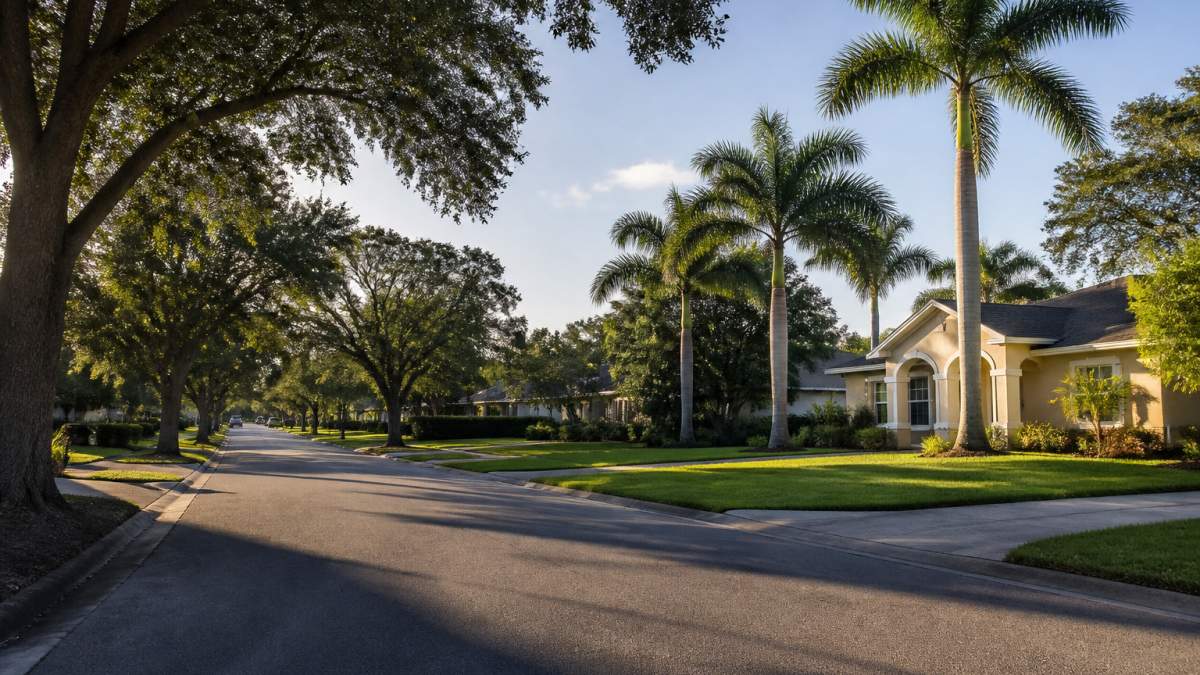
Downtown and the historic district. This is the walkable core, blocks of early-20th-century homes, brick streets, and a grid that puts restaurants, galleries and the harbor within a short stroll. Expect smaller lots, older roofs and electrical systems, and a mix of flood zones that can change block by block. Buyers who want character and can budget for renovation and insurance should look here first; buyers who want a turnkey newer build usually should not.
Waterfront and canal pockets. Direct-sail and canal-front properties command a premium for dockage and quick harbor access, but they also carry the highest flood exposure and the most variable insurance quotes. A canal home in a high-risk zone can cost meaningfully more per month to insure than an inland home of the same price. Ask for the elevation certificate and a current flood quote before you fall in love with the view.
Master-planned and gated communities. Newer construction, consistent architecture and amenity centers (pool, fitness, clubhouse) are the draw, and impact glass and newer roofs often translate into lower insurance than older downtown stock. The trade-off is HOA dues and rules, read the budget, reserve study and rental restrictions, because they affect both monthly cost and resale audience.
Inland and edge-of-city pockets. Often the value play: larger lots, less flood exposure, and easier parking, at the cost of a longer drive to the harbor and downtown. This is where buyers who prioritize square footage and lower carrying costs over walkability tend to land.
A practical exercise: rank your priorities before touring, walkability, boat access, school zones if relevant, commute, and tolerance for HOA rules, then drive each candidate area at different times of day. Check drainage after heavy rain, listen for traffic noise, and note how long comparable homes in that pocket have sat on the market.
Punta Gorda Flood Zones and Flood Insurance
Flood zone designation is one of the most important factors in a Punta Gorda purchase. Federal flood zone maps, published by FEMA, determine whether a lender will require flood insurance and how much premiums may cost. A home that looks safe from the street can sit in a high-risk zone, and that status affects both your monthly budget and your insurability.
Before making an offer, confirm the flood zone for the exact parcel using the official FEMA Flood Map Service Center, and request an elevation certificate if one is available. Ask your insurance agent for an actual premium quote rather than relying on estimates. Standard homeowners policies generally exclude flood damage, so flood coverage is usually a separate policy through the National Flood Insurance Program or a private carrier (Buy a Flood Insurance Policy). Verify the specifics with a licensed insurance professional, because coverage terms and availability change.
Watch out: a flood zone change or updated map can raise premiums after you buy, so factor in that uncertainty rather than assuming today's rate will hold.
Flood zone status drives both insurance requirements and monthly cost, so check these points before making an offer.
| Item | What to do | Note |
|---|---|---|
| Flood zone | Confirm for the exact parcel on FEMA's Flood Map Service Center | Map status determines lender requirements |
| Elevation certificate | Request one if available | Supports insurance rating |
| Insurance quote | Get an actual premium quote from an agent | Estimates are not enough |
| Standard policy | Assume flood damage is excluded | Flood coverage is usually separate |
| Map changes | Plan for possible premium increases | Zone updates can raise rates after purchase |
Punta Gorda Property Taxes and Ongoing Costs
Property taxes in Florida are assessed by county, and the final bill includes millage rates set by multiple taxing authorities. Florida's homestead exemption can reduce taxable value for a primary residence, and the Save Our Homes provision limits annual assessment increases for homesteaded properties. Non-homestead properties, such as second homes and rentals, do not receive those protections, which changes the long-term cost picture substantially.
Beyond taxes, budget for insurance (homeowners and flood), HOA dues where applicable, utilities, routine maintenance and, on the Gulf Coast, hurricane-related preparation. Confirm current exemption rules and the tax estimate for the specific property with the Charlotte County and Manatee County property appraiser offices and a qualified tax professional before you finalize your budget.
Getting Around, Seasons and Practical Logistics in Punta Gorda
Most ranking guides stop at attractions. This section covers the logistics that actually shape a home search and a visit.
Getting here. The nearest major commercial airport for most buyers is Southwest Florida International Airport (RSW) in Fort Myers, roughly a 30- to 45-minute drive depending on traffic and your destination in the city. Punta Gorda Airport (PGD) handles limited commercial service and is convenient when routes align, but do not assume it will; check schedules before booking. Sarasota-Bradenton (SRQ) and Tampa (TPA) are longer drives but sometimes offer better fares or nonstops. If you are flying in to tour homes, build in a rental car, rideshare coverage outside the downtown core can be thin and wait times long.
Getting around. A car is effectively required. Public transit is limited, so plan for parking, commute times and access to Interstate 75, which links the area to Sarasota to the north and Fort Myers to the south. Downtown and the historic district are walkable once you are there, and the harborfront is pleasant on foot or bike, but errands, medical appointments and school runs assume a vehicle. If you are evaluating a neighborhood without a car, test the actual route to the grocery store and pharmacy before committing.
Seasons and timing. The Gulf Coast pattern is a hot, humid summer with frequent afternoon thunderstorms and a milder, drier winter that draws seasonal residents. Hurricane season runs June through November, with the highest statistical risk typically late summer into fall. For a home search, the dry season (roughly late fall through spring) makes it easier to judge drainage and outdoor conditions, but evaluate the home during a rainy period too, that is when grading, gutters and flood-prone streets reveal themselves. Snowbird season also tightens rental inventory and raises short-term lodging prices, so book early if you are visiting between roughly January and April.
Hurricane readiness. Ask how each property has performed in past storms and what features it includes: impact windows or shutters, roof age and material, generator hookup, and elevation relative to the street. These details affect both insurability and the real cost of ownership, and they are fair questions to put to a seller before an offer.
Budgeting the trip. Beyond lodging, plan for a rental car, tolls on some routes, and meals; costs vary widely by season. Treat any single figure as a starting point and confirm current rates when you book. The practical takeaway: sequence your visit around weather and season, line up a car, and use the trip to test the daily logistics of the neighborhood you are considering, not just the house.
Start Your Punta Gorda Home Search With The Comerford Group
Buying in Punta Gorda involves more than finding a listing. You need to weigh flood risk, insurance, taxes and neighborhood fit before committing to a price. The Comerford Group offers Florida market knowledge, access to MLS listings and solution-driven guidance from the first search through closing. Kathleen Comerford, Broker Associate, and Edward Cruz, Real Estate Advisor affiliated with eXp Realty, can help you sort through the options.
Ready to narrow your search? Browse upcoming open houses to see homes in person, then reach out to start looking.
Frequently Asked Questions
Is Punta Gorda, Florida on the Gulf side?
Yes. Punta Gorda sits on Florida's Gulf Coast, on the shores of Charlotte Harbor at the mouth of the Peace River. Buyers searching the West Coast market will find it between Sarasota and Fort Myers, with waterfront homes, canal communities and inland neighborhoods all within a short drive of the water. Because the city faces the harbor and the Gulf, flood zone designation and insurance costs should be checked for every property before making an offer.
How far is Punta Gorda from Naples?
Punta Gorda is roughly an hour's drive north of Naples, depending on traffic and the route taken. Buyers who want to compare the two markets often tour both in one trip. The drive typically runs along the Gulf Coast corridor, so the trip is practical for weekend home shopping, school visits or showings across several neighborhoods on Florida's West Coast.
What should homebuyers know about flood zones and insurance in Punta Gorda?
Flood zone designation affects both insurance requirements and the monthly cost of owning a home. Check the FEMA flood map for any address you are considering and request a flood insurance quote early in the process, since premiums vary widely by elevation, construction and zone. Your agent can help you compare properties in different zones so the insurance cost is factored into your budget before you make an offer.
How can I find homes for sale in Punta Gorda?
Start with a search of MLS listings filtered by neighborhood, property type and price, then narrow the results by flood zone and property tax history. A local agent can help you prioritize listings that fit your budget and lifestyle, rather than sorting through every result. Touring several neighborhoods in person gives a clearer sense of traffic, noise, proximity to the water and day-to-day convenience than photos alone.