 Ultimate guide
Florida Real Estate Market: 2026 Trends & Buyer Guide
Table of Contents
- Florida Housing Market Trends 2025: What the Data Reveals
- Is Florida a Buyer's or Seller's Market in 2026?
- How Mortgage Rates and Insurance Costs Impact the Florida Real Estate Market
- Best Places to Buy Property in Florida: East Coast vs. West Coast
- Selling a Home in Florida Checklist: Steps to Maximize Your Sale Price
- Rental Yield vs. Appreciation: Investment Strategies in the Florida Real Estate Market
- Conclusion
- Frequently Asked Questions
Last Updated: September 30, 2026
Florida Housing Market Trends 2025: What the Data Reveals
The Florida real estate market cooled in 2025 after years of rapid price growth. Inventory has risen, homes take longer to sell, and buyers have regained negotiating power in many areas. The market hasn't collapsed, it has normalized.
Median Sale Prices and Year-over-Year Changes
Median sale prices across much of Florida have plateaued. Coastal markets with the steepest pandemic-era appreciation, including parts of South Florida and Tampa, are correcting, while inland and more affordable markets have held steadier.
Inventory, Days on Market, and Pending Sales
Housing supply has increased meaningfully. Listing volume is up across most Florida markets, and days on market has stretched from 2021 and 2022 lows. Pending sales remain inconsistent, suggesting buyers are selective rather than rushing.
Is Florida a Buyer's or Seller's Market in 2026?
Florida in 2026 leans toward a balanced market, with pockets of buyer's market conditions in areas that saw heavy speculative buying. Sellers still have an edge in well-located, well-maintained properties, while buyers can negotiate, request inspections, and ask for concessions.
| Market Indicator | 2022 (Seller's Market) | 2026 (Balanced Market) |
|---|---|---|
| Inventory level | Very low | Rising |
| Days on market | Days | Weeks to months |
| Buyer negotiating power | Minimal | Moderate to strong |
| Price trend | Rapid appreciation | Flat to modest changes |
| Multiple-offer situations | Common | Selective |
How Mortgage Rates and Insurance Costs Impact the Florida Real Estate Market
Two costs shape affordability in Florida more than any others: mortgage rates and property insurance. Both have pressured buyers in recent years and factor heavily into any real estate forecast. Most national guides stop at the mortgage-rate headline; insurance is where Florida diverges, and it is the most under-modeled line item in a Florida buyer's budget.
Interest Rate Pressure and Affordability
Mortgage rates remain elevated compared with 2020 and 2021. On a 30-year fixed loan, every 1% increase in rate reduces purchasing power by roughly 10% at the same monthly payment: a buyer who could afford a $500,000 home at a 5% rate can generally afford only about $450,000 at a 6% rate for the same principal-and-interest payment.
Climate Risk and Property Insurance Premiums
Property insurance separates Florida from the rest of the country. Premiums in coastal counties have risen sharply, driven by factors most buyers never see itemized:
- Reinsurance costs. Florida insurers buy reinsurance (insurance for insurers) to cover catastrophic storm losses. Global reinsurance pricing spiked after several active hurricane seasons, and those costs pass through to homeowner premiums.
- Litigation and claims volume. Florida has historically accounted for a disproportionate share of national property-insurance lawsuits relative to its share of claims. That litigation load raises loss costs for every carrier operating in the state.
- Roof age and condition. Many carriers now decline to insure homes with roofs older than roughly 15 years, or they require a roof replacement before binding coverage. A roof that looks fine to a buyer can be a deal-killer at the insurance stage.
- Wind mitigation and 4-point inspections. A wind mitigation inspection documents features like roof-to-wall attachments, secondary water barriers, and impact-rated openings. Those features can meaningfully reduce the wind portion of a premium. A 4-point inspection covers roof, electrical, plumbing, and HVAC, many carriers require it for homes over a certain age before they will quote.
What This Means for Pricing
Sellers who ignore insurability price against a smaller pool of buyers than they think; buyers who ignore it underwrite a payment that may not survive the first renewal. Treat insurance as a first-class input, not an afterthought.
Best Places to Buy Property in Florida: East Coast vs. West Coast
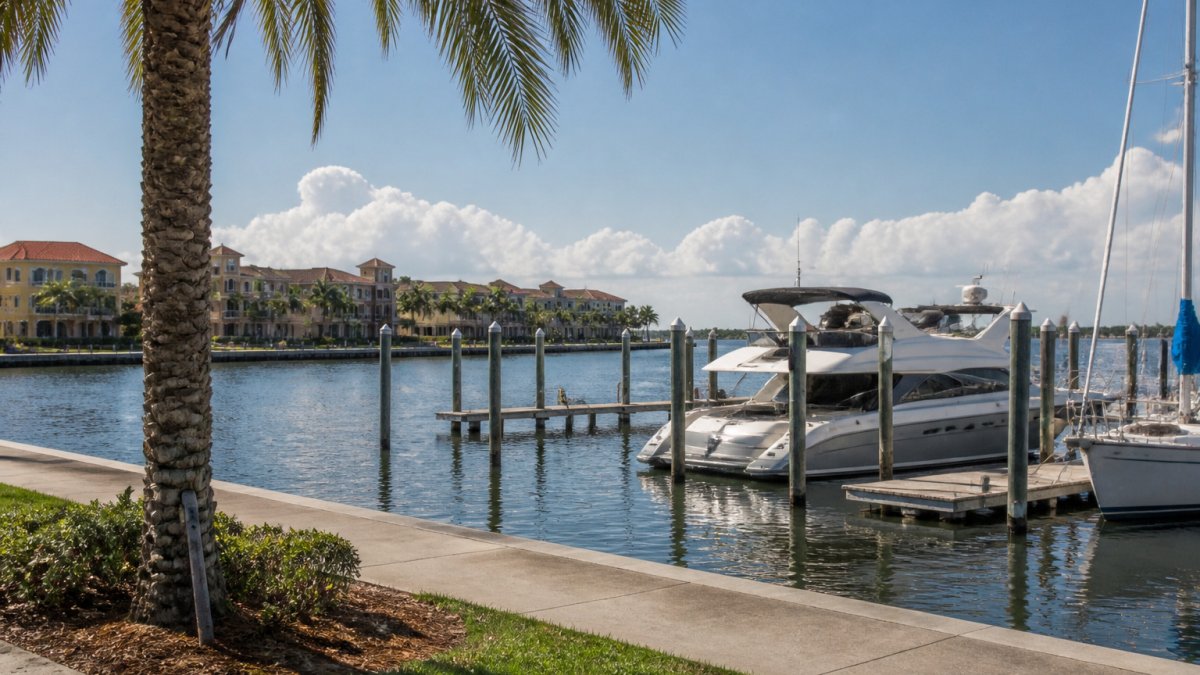
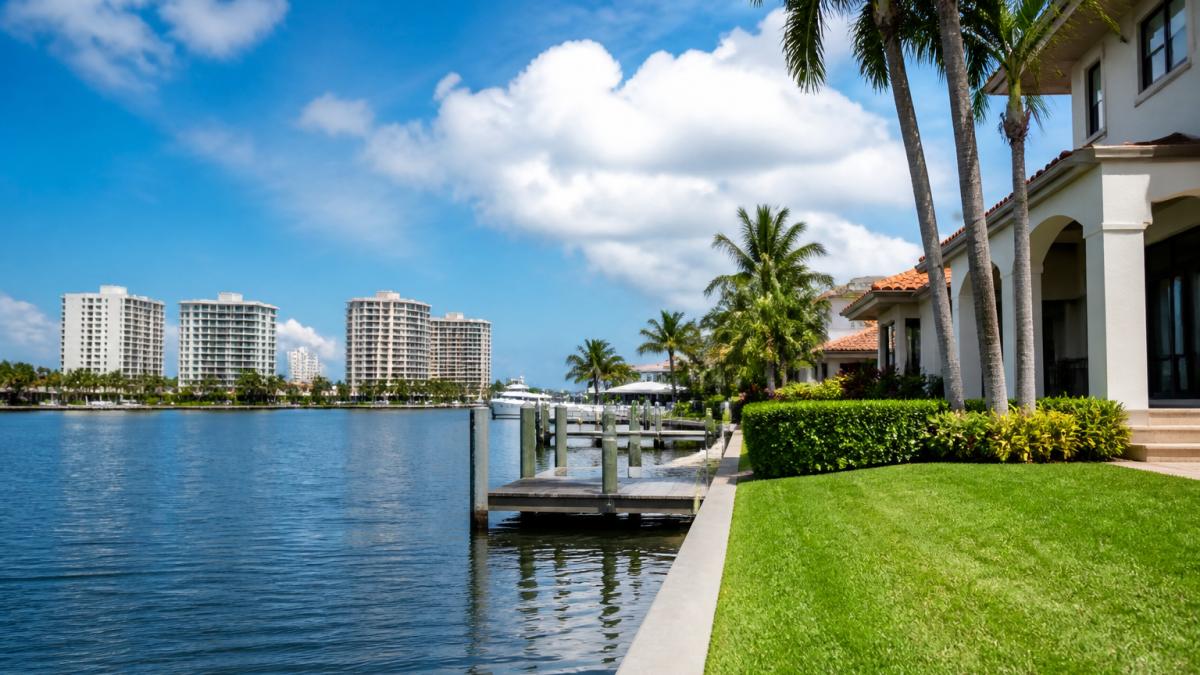
East Coast and West Coast Florida markets offer different lifestyles, price points, and investment profiles. The East Coast has more established luxury markets and international buyer activity; the West Coast often offers more value per square foot and strong rental demand.

Selling a Home in Florida Checklist: Steps to Maximize Your Sale Price
A selling a home in Florida checklist should cover pricing, preparation, marketing, and negotiation. Sellers who get top dollar follow a disciplined process.
- Pull current comparable sales from the last 90 days, not last year
- Get a pre-listing inspection to find issues before buyers do
- Address roof, HVAC, and plumbing items that affect insurability
- Stage the home, including virtual staging for vacant properties
- Price based on data, not emotion
- Market across MLS, syndicated platforms, and social channels
- Review every offer's terms, not just the price
- Negotiate repairs and concessions with a clear strategy
Rental Yield vs. Appreciation: Investment Strategies in the Florida Real Estate Market
Real estate investment in Florida splits into two strategies: chasing rental yield or chasing appreciation. Yield produces steady monthly income and performs better in markets with strong year-round demand; appreciation bets on long-term price growth and works best in supply-constrained, high-demand areas.
The Math That Actually Matters
Gross yield is easy to calculate and easy to mislead yourself with; net yield pays the mortgage. The difference is the expense stack, which in Florida is heavier than in most states:
- Property insurance. A single-family rental in a coastal county can carry an annual premium several times what the same home would cost to insure in the Midwest. That line item alone can swing net yield by 1% to 2%.
- Property taxes. Florida has no state income tax, but property taxes are assessed at the county level and vary widely. Homestead exemptions do not apply to investment properties, so investors pay the full assessed rate.
- HOA and condo association fees. In condo-heavy markets, association dues can rival the mortgage payment. Special assessments for roof, elevator, or structural work are a real risk, especially in older buildings.
- Vacancy and turnover. Seasonal markets have high in-season rates and deep off-season vacancies. Year-round markets have lower rates but steadier occupancy.
- Management and maintenance. A 8% to 10% management fee is typical, and Florida's humidity, salt air, and storm exposure accelerate maintenance cycles.
When Appreciation Is the Better Bet
Appreciation strategies work when supply is constrained and demand is durable. In Florida, that shows up in a few patterns:
- Coastal markets with build-out limits. Once a barrier island or a waterfront corridor is fully developed, new supply cannot be added. Scarcity supports long-term price growth even when rates are high.
- Markets with sustained inbound migration. According to U.S. Census Bureau population data, migration patterns continue to shape housing demand across the state. Markets attracting steady inbound migration tend to support both rental demand and long-term appreciation.
- Markets with high-wage job growth. Appreciation follows income. A market adding high-paying jobs faster than it adds housing will generally out-appreciate a market that is not.
When Rental Yield Is the Better Bet
Yield strategies work when demand is steady and the entry price is low enough that rent covers the full expense stack. In Florida, that often means:
- Inland and secondary markets where price-to-rent ratios are more favorable than on the coast.
- Workforce housing near major employment centers, hospitals, logistics hubs, universities, where tenants are year-round rather than seasonal.
- Small multifamily where a single roof, a single insurance policy, and a single lot serve multiple rent checks.
A Simple Decision Framework
Ask three questions before you buy:
- What is my holding period? Under five years, yield matters more because you may not capture an appreciation cycle. Over ten years, appreciation can dominate.
- Do I need cash flow now? If the property must cover its own mortgage and expenses from month one, underwrite to net yield, not gross.
- What is my downside tolerance? A yield property with steady tenants is more defensive. An appreciation property in a supply-constrained market is more exposed to rate and insurance shocks in the short run but more rewarding over a full cycle.
Most successful Florida investors don't pick one strategy for every deal, they pick what fits the property, the market, and their phase of investing life.
A Note on Insurance and Yield
The fastest way to destroy a Florida rental yield is to underwrite insurance at a national average. Get a real quote on the specific address before you make an offer; if the premium makes the deal work only at optimistic rent assumptions, the deal does not work.
Conclusion
The Florida real estate market in 2026 rewards preparation over speculation. Whether you're buying a first home, selling an investment property, or weighing rental yield against appreciation, the difference between a good outcome and a great one comes down to local expertise and disciplined execution. The Comerford Group guides buyers and sellers through both coasts with extensive local knowledge, access to comprehensive MLS listings, and a solution-driven approach that supports you from first showing to closing.
Frequently Asked Questions
Are Florida real estate prices dropping?
Prices vary by region. Some markets see price fluctuations while others hold steady. In 2025, median sale prices showed year-over-year appreciation in many coastal areas, though inventory increases have slowed price growth. Depreciation is not widespread. Factors like mortgage rates, insurance costs, and housing supply influence local trends. Consult a local agent for neighborhood-specific data.
Is it a buyer's market or seller's market in Florida right now?
It depends on the region. Many areas are shifting toward a buyer's market as inventory rises and days on market increase. However, desirable coastal neighborhoods remain seller's markets due to limited housing supply. Mortgage rates and interest rate pressure affect buyer demand. A local real estate professional can provide current market conditions for your target area.
What should buyers know before entering the Florida real estate market?
Buyers should budget for closing costs, property tax, and rising insurance premiums due to climate risk. Get pre-approved for a mortgage to understand affordability. Research neighborhoods on both coasts, as market conditions vary. Work with an agent who knows local trends and can help you navigate inventory and negotiate effectively. A checklist for buying can help you stay organized.
What are the current trends in the Florida housing market?
Key trends include increased inventory, longer days on market, and moderating price appreciation. Mortgage rates remain a factor in affordability. Migration patterns show continued demand from out-of-state buyers, though some areas see shifts. Luxury sales are holding steady in certain markets. Insurance costs and property taxes are influencing buyer decisions. Stay updated with local real estate forecasts.